
The relationship between trauma and addiction runs deeper than many people realize. For individuals struggling with substance abuse, unresolved traumatic experiences often lie at the heart of their dependence on drugs or alcohol. Understanding this connection is crucial for effective treatment, and it’s why specialized dual diagnosis care has become essential in addressing both conditions simultaneously. In Greenwich, Connecticut, comprehensive treatment programs recognize that lasting recovery requires healing the whole person, not just treating symptoms.
The Complex Link Between Trauma and Substance Abuse
Trauma comes in many forms, from childhood abuse and neglect to violent experiences, accidents, or emotional wounds that never properly healed. When someone experiences trauma, it fundamentally changes how their brain processes stress, fear, and emotional pain. Many individuals turn to drugs or alcohol as a way to cope with overwhelming feelings, numb painful memories, or escape the anxiety and depression that often follow traumatic events.
This self-medication provides temporary relief but creates a dangerous cycle. Substance abuse becomes a survival mechanism, making it incredibly difficult to address addiction without also treating the underlying trauma. Research consistently shows that individuals with untreated trauma face significantly higher relapse rates because the root cause of their addiction remains unresolved.
What Makes Dual Diagnosis Treatment Different
Dual diagnosis treatment recognizes that mental health conditions and substance use disorders frequently occur together and must be treated concurrently. When trauma and addiction intersect, neither condition can be successfully addressed in isolation. Traditional addiction treatment that ignores underlying trauma leaves individuals vulnerable to relapse, while mental health treatment that doesn’t address substance abuse fails to provide the comprehensive support needed for true healing.
At specialized facilities offering dual diagnosis treatment in Connecticut, treatment teams include therapists trained in trauma-informed approaches alongside addiction specialists. This integrated model ensures that every aspect of a person’s struggle receives appropriate attention within a cohesive treatment plan.
Evidence-Based Approaches for Trauma and Addiction
Effective treatment for co-occurring trauma and addiction requires specialized therapeutic approaches:
Cognitive Behavioral Therapy (CBT)
CBT helps individuals identify and change thought patterns that contribute to both conditions, providing practical tools for managing triggers and developing healthier responses.
Eye Movement Desensitization and Reprocessing (EMDR)
EMDR has shown remarkable success in processing traumatic memories without requiring detailed verbal descriptions that can be retraumatizing, making it particularly effective for trauma survivors.
Dialectical Behavior Therapy (DBT)
DBT teaches emotional regulation skills that help individuals manage distress without turning to substances, building resilience and coping strategies for long-term recovery.
These evidence-based treatments, combined with medication-assisted treatment when appropriate, create a strong foundation for recovery. The key is personalization; what works for one person may not be right for another, which is why individualized treatment plans are essential.
The Holistic Approach to Healing
Recovery from trauma and addiction requires more than addressing psychological symptoms. A truly holistic approach recognizes that trauma affects the mind, body, and spirit. Physical wellness activities like yoga, meditation, and nutritional counseling help restore balance to bodies impacted by substance abuse. These practices also teach individuals healthy coping mechanisms to replace destructive patterns.
Facilities offering holistic recovery in Greenwich integrate spiritual wellness and emotional healing into comprehensive care. This might include mindfulness practices, art therapy, or nature-based healing that allows individuals to reconnect with themselves in a safe, supportive environment.
Creating a Safe Space for Vulnerable Individuals
The environment where treatment occurs matters tremendously, especially for trauma survivors. A comfortable, private setting that prioritizes dignity and respect helps individuals feel safe enough to engage in the difficult work of recovery. For many, this is the first time they’ve experienced a space where their pain is acknowledged without judgment, and their story is heard with compassion.
Treatment centers offering mental health treatment in Greenwich in intimate settings provide the privacy and personalized attention that large institutional facilities cannot. This approach recognizes that healing from trauma requires feeling seen, valued, and safe.
The Role of Family in Recovery
Trauma and addiction don’t just affect the individual; they impact entire family systems. Including family members in the treatment process helps everyone understand the connection between addiction and mental illness while learning how to provide meaningful support. Family therapy sessions address patterns that may have developed over the years and help rebuild trust and communication.
Beginning the Journey to Healing
Understanding the connection between trauma and addiction is the first step toward comprehensive healing. You or your loved one deserves treatment that addresses the root causes of substance abuse while providing the specialized care needed to process traumatic experiences. Recovery is possible when the right support is in place.
Connecticut Center for Recovery offers specialized dual diagnosis treatment that recognizes your unique history and situation. Our caring team provides evidence-based therapies in a comfortable, private setting where healing can truly begin.
Contact Connecticut Center for Recovery today to learn more about how our personalized approach can help you or your loved one start the journey toward lasting recovery.
Sources:
[1] https://www.nimh.nih.gov/health/topics/post-traumatic-stress-disorder-ptsd
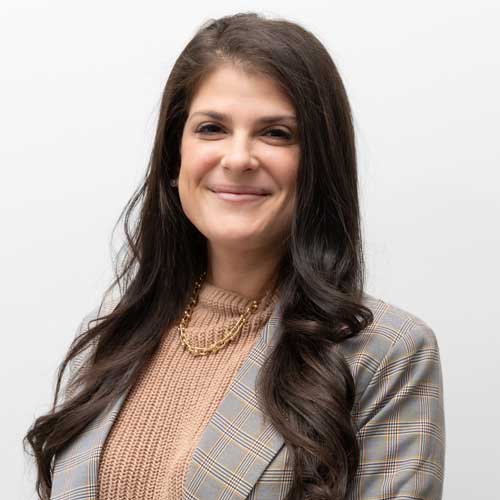
Alexis earned both a B.S. in Psychology and a B.S. in Family and Child Sciences from Florida State University and an M.A. in Marriage and Family Therapy from the University of San Diego. She holds licenses in Marriage and Family Therapy in Florida, Connecticut, and Massachusetts and is also a member of the American Association for Marriage and Family Therapy (AAMFT).
Alexis works with families, couples, children, and groups and also has a sub-specialty in addiction and recovery. She utilizes an integrated, systemic approach to counseling; empowering people to define what is not working for them in their lives and to discover the possibilities for making life work. In doing this, clients are guided towards identifying their strengths, accessing their resources, tapping into their potential for success, and taking action toward achieving their desired goals.
Alexis also has extensive experience in the administration of behavioral health organizations. She has developed, built, and supervised several facilities encompassing all levels of care while leading them through state licensing and The Joint Commission accreditation process.

