
When addiction or mental health struggles begin affecting your daily life, deciding to seek help can feel overwhelming. You may worry about taking time away from work or wonder how treatment will fit around family responsibilities. Many people try to manage alone, but the underlying causes of addiction or depression often resurface. The good news is that recovery doesn’t always require stepping away from your entire routine. For many individuals in Connecticut, outpatient rehab offers structured support while allowing you to stay present for your everyday commitments.
What Makes Outpatient Rehab Different?
Outpatient rehab provides professional addiction treatment without requiring you to live at the facility. Instead, you attend scheduled therapy sessions and return home afterward, giving you the flexibility to maintain your responsibilities while still receiving comprehensive care. This approach acknowledges that your recovery needs are unique and should not follow a one-size-fits-all model.
At Connecticut Center for Recovery in Greenwich, options include the Intensive Outpatient Program (IOP) and the Day Treatment Program. Both programs address substance use along with root causes such as anxiety, trauma, and depression, helping you rebuild stability in a way that supports your current lifestyle.
The Structure That Supports Sustainable Recovery
One of the greatest strengths of outpatient rehab in Connecticut is the balance between structured treatment and real-world practice. During therapy sessions, you work closely with a skilled team that understands addiction’s emotional and mental components. Treatment often includes individual therapy, group counseling, skills development, and dual-diagnosis treatment when mental health conditions occur alongside addiction.
Between sessions, you’re able to apply what you learn directly within your home, workplace, and relationships. This real-time reinforcement helps you identify triggers, practice coping skills, and gradually improve communication and trust with those around you. Combined with evidence-based treatments, this structure encourages lasting lifestyle change, not temporary symptom control.
Flexibility Without Compromising Quality of Care
Some people assume that outpatient rehab means less support, but high-quality programs provide comprehensive care tailored to your clinical and emotional needs. Outpatient services often include individual and group therapy, family education, and holistic methods through a holistic approach.
This ensures that your mental health, physical well-being, and emotional stability all receive attention.
For individuals facing both addiction and mental health challenges, outpatient care allows you to build new routines and apply healthier habits while staying connected to work, family, and your wider support system. This helps maintain dignity and stability throughout treatment.
Who Benefits Most from Outpatient Rehab?
Outpatient rehab is especially helpful for people who:
- Have completed a higher level of care and want continued support
- Have a stable home environment.
- Need flexibility for work or school.
- Are motivated to stay engaged in treatment
- Are managing co-occurring mental health conditions
- Would benefit from frequent therapeutic sessions without residential care
Programs like the Intensive Outpatient Program in Greenwich for residents typically involve structured sessions multiple times per week, offering substantial support while maintaining independence.
A Compassionate Approach in a Comfortable Setting
Recovery is a vulnerable experience, and feeling supported matters. Connecticut Center for Recovery provides treatment in a private, comfortable setting staffed by experienced therapists in Greenwich, CT, who approach each client with respect and compassion. Whether you’re searching for “drug rehab near me” or specifically looking for outpatient drug rehab in Greenwich, the focus is on honoring your story, understanding your needs, and creating a recovery plan that feels achievable and supportive.
Taking the First Step Toward Balanced Recovery
If you or a loved one is struggling, outpatient rehab in Connecticut offers a path forward that doesn’t require stepping away from your entire life. With evidence-based care, holistic practices, and individualized attention, you can begin addressing root causes while learning how to navigate daily stressors more effectively. You deserve support, and outpatient programs provide the structure and flexibility needed to build long-term stability.
Frequently Asked Questions
How does outpatient rehab treat mental health issues?
Outpatient programs offering dual-diagnosis treatment address addiction and mental health conditions together through therapy, assessment, and integrated care.
What’s the difference between IOP and regular outpatient treatment?
IOP includes more structured weekly hours—usually several sessions per week—while standard outpatient care offers fewer hours for those further along in recovery.
Can I work or study while in outpatient rehab?
Yes. Flexible scheduling allows you to continue work, school, and family responsibilities while receiving treatment.
How do I know if outpatient rehab is right for me?
A clinical assessment determines whether outpatient, IOP, or a higher level of care fits your needs.
Source
What role does family play in outpatient treatment?
Many programs include family therapy sessions to strengthen communication, boundaries, and support.
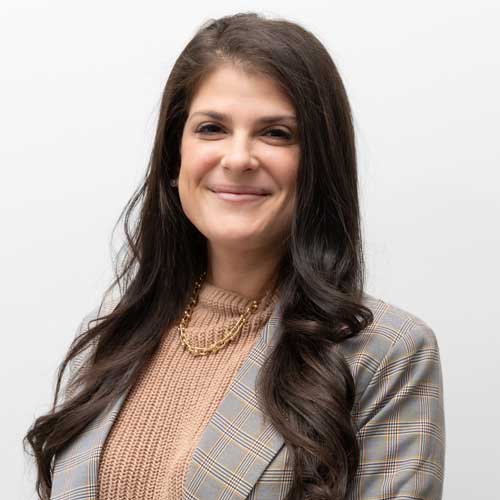
Alexis earned both a B.S. in Psychology and a B.S. in Family and Child Sciences from Florida State University and an M.A. in Marriage and Family Therapy from the University of San Diego. She holds licenses in Marriage and Family Therapy in Florida, Connecticut, and Massachusetts and is also a member of the American Association for Marriage and Family Therapy (AAMFT).
Alexis works with families, couples, children, and groups and also has a sub-specialty in addiction and recovery. She utilizes an integrated, systemic approach to counseling; empowering people to define what is not working for them in their lives and to discover the possibilities for making life work. In doing this, clients are guided towards identifying their strengths, accessing their resources, tapping into their potential for success, and taking action toward achieving their desired goals.
Alexis also has extensive experience in the administration of behavioral health organizations. She has developed, built, and supervised several facilities encompassing all levels of care while leading them through state licensing and The Joint Commission accreditation process.

