
If you’re struggling with drug addiction, you may already feel the impact of anxiety, depression, or trauma. Many people try to quit alone but find lasting recovery is hard without addressing the mental and emotional roots of substance use. Understanding how drug rehabs work and what to expect can reduce fear and help you take the next step with more confidence.
What Are Drug Rehabs?
Drug rehabs are treatment centers that help individuals overcome substance use disorders through medical support and evidence-based therapy. These programs provide a structured environment where you can focus on healing without constant distractions or triggers. In Connecticut, drug rehab centers like Connecticut Center for Recovery design treatment plans around your history, symptoms, and goals, ensuring that care fits your unique needs rather than forcing you into a generic model.
How Do Drug Rehabs Work?
Drug rehabs use clinical therapies, medical care, and wellness practices to support your physical and emotional health. Treatment typically includes:
Assessment and Personalized Planning
When you arrive at a drug rehab in Greenwich, clinicians start with a full assessment of your substance use, mental health, physical wellbeing, and support system. This allows the team to create a plan tailored to your situation and adjust it as you progress.
Medical Stabilization and Detox Support
Many people begin with detox. At detox centers in Connecticut, medical professionals monitor withdrawal symptoms and keep you safe during early recovery. Some rehabs offer detox on-site; others coordinate care before you enter a program so you move smoothly from stabilization into therapy.
Therapeutic Programs
Treatment is delivered through different levels of care:
- Intensive Outpatient Program (IOP): Offers structured therapy several times a week while allowing you to maintain work or family commitments.
- Day Treatment Program: Provides more support than IOP during daytime hours without requiring overnight stays.
- Extended Care Treatment: Helps you maintain progress after completing the initial program and stay connected to professional support.
Dual-Diagnosis Treatment
If you have co-occurring mental health conditions, dual-diagnosis rehab in Greenwich treats both issues together. This integrated model helps reduce relapse risks caused by unresolved emotional struggles or untreated psychiatric symptoms.
Holistic and Evidence-Based Care
Connecticut Center for Recovery combines clinical therapies with supportive practices that help you build healthier habits. Sessions may focus on coping skills, communication, stress management, and healthy lifestyle routines. Some programs also integrate elements of the 12-Step approach while respecting individual preferences and beliefs.
What Happens During Treatment?
During rehab, you work with licensed therapists and medical professionals who understand how addiction affects your mind and body through individual therapy, group counseling, educational workshops, relapse-prevention planning, and wellness practices like exercise or mindfulness.
Many Connecticut addiction treatment centers also involve families through structured therapy and education so loved ones can understand addiction, set healthy boundaries, and support your recovery without enabling substance use.
The Path Forward
Drug rehabs give you the tools and support needed to build a healthier, substance-free life. In a private and comfortable setting, substance abuse treatment in Greenwich helps you understand patterns, develop coping skills, and address emotional needs that may have gone untreated for years. Whether you require alcohol rehab, drug treatment, or mental health care, specialized programs guide you toward long-term healing and greater stability.
Recovery is a gradual process, not a single event. By staying engaged with therapy, support groups, and aftercare planning, you can continue building a lifestyle that supports lasting sobriety and personal growth.
Frequently Asked Questions
What is the difference between inpatient and outpatient drug rehab?
Inpatient rehab provides 24/7 residential care in a controlled setting. Outpatient programs let you return home after scheduled sessions, and Outpatient drug rehab in Greenwich is designed for people who still need to work, study, or care for family while in treatment.
How long does drug rehab typically last?
Length depends on your needs and progress, but many plans range from several weeks to a few months. An Intensive Outpatient Program in CT usually runs about 8–12 weeks, with extended care available if you need longer support.
Will drug rehab address my mental health issues, too?
Yes. Programs that offer mental health treatment in Greenwich treat co-occurring conditions such as anxiety, depression, or trauma alongside addiction, so both issues are managed together.
What if I’ve tried to quit on my own and failed?
This is very common and not a sign of weakness. Drug rehabs provide medical oversight, structured therapy, and peer support that you usually cannot access on your own, giving you a stronger foundation for recovery.
Can I continue working while attending drug rehab?
Often, yes. An Intensive Outpatient Treatment Program in Greenwich offers flexible scheduling so you can keep your job or attend school while still receiving regular treatment.
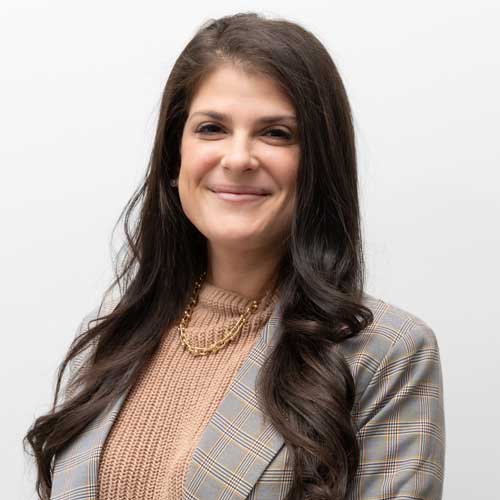
Alexis earned both a B.S. in Psychology and a B.S. in Family and Child Sciences from Florida State University and an M.A. in Marriage and Family Therapy from the University of San Diego. She holds licenses in Marriage and Family Therapy in Florida, Connecticut, and Massachusetts and is also a member of the American Association for Marriage and Family Therapy (AAMFT).
Alexis works with families, couples, children, and groups and also has a sub-specialty in addiction and recovery. She utilizes an integrated, systemic approach to counseling; empowering people to define what is not working for them in their lives and to discover the possibilities for making life work. In doing this, clients are guided towards identifying their strengths, accessing their resources, tapping into their potential for success, and taking action toward achieving their desired goals.
Alexis also has extensive experience in the administration of behavioral health organizations. She has developed, built, and supervised several facilities encompassing all levels of care while leading them through state licensing and The Joint Commission accreditation process.

