
Seeking help for alcohol addiction is a brave and life-changing decision. One of the most common questions people ask is: How much does inpatient alcohol rehab cost?
The answer varies depending on several factors such as the level of care, program length, and services provided. However, the real value lies beyond the price, it’s about rebuilding health, peace of mind, and stability. This guide explains what inpatient rehab includes, typical costs, and why professional treatment is a powerful step towards long-term recovery.
Drug Detox Programs
Detoxification, or withdrawal management, is often the first step in recovery. It helps remove alcohol or drugs from the body safely under medical supervision. Detox usually takes place in a hospital or licensed treatment centre where patients receive 24-hour care and support.
Outpatient detox programs generally range from 250 to 800 dollars per day, depending on the substance and required monitoring. Inpatient detox, which includes constant supervision, is usually higher in cost but often part of a complete program. This stage prepares the body and mind for the next phase of recovery, reducing the risk of complications.
Understanding Inpatient Alcohol Rehab
Inpatient alcohol rehab is a residential program that allows individuals to live at the treatment facility during their recovery. It removes outside distractions and provides structure, support, and daily care.
A typical day in rehab includes therapy sessions, group discussions, health education, and activities like exercise or meditation. Patients receive constant medical and emotional support, helping them focus fully on healing.
This structured environment encourages individuals to develop new habits, build coping skills, and gain strength for life after rehab. It’s one of the most effective options for people with moderate to severe alcohol dependence.
Average Cost and Program Details
Inpatient rehab offers 24-hour medical and emotional care. Program durations can range from 30 days to several months depending on each person’s needs.
Programs typically range from 5,000 to 80,000 dollars in total. Basic centres are more affordable, while premium or luxury facilities with private rooms, holistic therapies, and advanced amenities are higher in cost.
While inpatient care can seem expensive, it includes accommodation, meals, detox, therapy, and aftercare planning. More importantly, it provides the structure and professional support that can make recovery last a lifetime.
What Affects the Cost of Treatment
Several factors influence the overall cost of inpatient treatment:
- Length of Stay: Longer programs require more resources and services.
- Level of Care: Some individuals need medical detox or dual-diagnosis support for mental health issues.
- Type of Therapy: Programs that include trauma counselling, family therapy, or holistic wellness may cost more.
- Facility and Location: Centres in major cities or offering high-end amenities often charge higher fees.
- Aftercare: Ongoing support, relapse prevention, and alumni programs add long-term value to treatment.
Every treatment plan is different, but the goal is always the same to achieve lasting recovery and stability.
What’s Included in an Inpatient Program
Inpatient rehab programs include all the essentials needed for safe and effective recovery:
- Medical Assessments: To design a personalised treatment plan.
- Detox Support: Medically supervised withdrawal management.
- Therapy and Counselling: One-on-one, family, and group sessions.
- Education: Training on relapse prevention and healthy coping skills.
- Nutrition and Wellness: Balanced meals, physical activity, and mindfulness.
- Accommodation: Comfortable living spaces within a supportive environment.
- Aftercare Planning: Continued guidance after leaving the facility.
These components work together to restore physical health, rebuild confidence, and promote long-term emotional balance.
Insurance and Payment Options
Many insurance plans now cover addiction treatment under essential healthcare services. Most policies include partial or full coverage for inpatient care, therapy, and detox.
For those without insurance, centres often provide payment plans, sliding-scale fees, or community funding. Financial guidance is usually available to help individuals find an affordable path to recovery.
The cost of untreated addiction is much higher physically, emotionally, and financially. Seeking professional care is an investment in a healthier, brighter future.
The Value of Recovery
Recovery is about more than quitting alcohol. It’s about regaining control of your life, improving your health, and rebuilding relationships.
Inpatient rehab offers:
- Better physical and emotional health
- Improved mental clarity
- Stronger relationships
- Renewed confidence and purpose
Inpatient alcohol rehab provides a complete foundation for lifelong sobriety and personal growth.
Taking the First Step Towards Healing
Starting treatment takes courage. It begins with one decision to ask for help. With expert guidance and compassionate support, recovery is possible.
At Connecticut Recovery, our inpatient alcohol rehab programs focus on healing, self-awareness, and long-term recovery. We provide evidence-based therapies and holistic care to help you rebuild your life.
Reach out to us today to start your journey towards a healthy and alcohol-free life.
FAQs
-
- What is inpatient alcohol rehab?
It is a full-time residential program that offers medical supervision, therapy, and emotional support to help individuals recover from alcohol addiction. - How long does inpatient rehab last?
The duration varies depending on personal progress. Many programs run between 30 days and 90 days. - Is inpatient rehab better than outpatient care?
Inpatient programs provide structured, 24-hour support, making them ideal for those needing intensive treatment or a stable environment. - 4. What happens after finishing rehab?
Aftercare services such as counselling, peer support groups, and relapse-prevention planning help individuals maintain long-term sobriety.
- What is inpatient alcohol rehab?
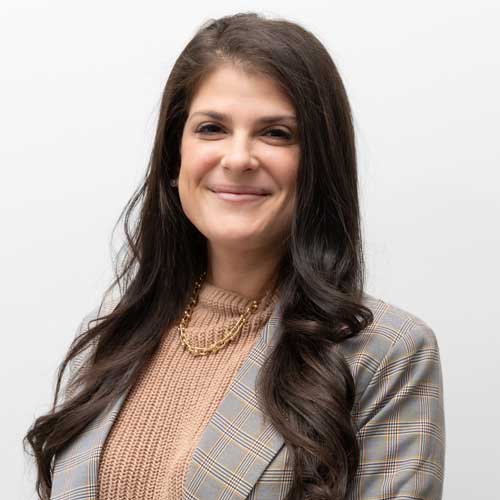
Alexis earned both a B.S. in Psychology and a B.S. in Family and Child Sciences from Florida State University and an M.A. in Marriage and Family Therapy from the University of San Diego. She holds licenses in Marriage and Family Therapy in Florida, Connecticut, and Massachusetts and is also a member of the American Association for Marriage and Family Therapy (AAMFT).
Alexis works with families, couples, children, and groups and also has a sub-specialty in addiction and recovery. She utilizes an integrated, systemic approach to counseling; empowering people to define what is not working for them in their lives and to discover the possibilities for making life work. In doing this, clients are guided towards identifying their strengths, accessing their resources, tapping into their potential for success, and taking action toward achieving their desired goals.
Alexis also has extensive experience in the administration of behavioral health organizations. She has developed, built, and supervised several facilities encompassing all levels of care while leading them through state licensing and The Joint Commission accreditation process.

