
Getting over an addiction is a significant step, but staying sober is a big step too. After treatment, staying sober takes work, help, and good strategies. Greenwich addiction treatment clinics provide aftercare and relapse prevention programs to help clients get used to life after treatment.
1. The Importance of Aftercare Programs
Aftercare programs are an important part of long-term rehabilitation because they assist patients go from the rigid setting of rehab back to their normal life. These programs teach people in addiction treatment clinics in Greenwich how to stay clean and not go back to their old ways.
People may keep on track with their recovery objectives by undergoing aftercare, which can include treatment, support groups, and regular counselling. These programs help people adjust to life after rehab and practise the skills they learnt there. People who attend to aftercare programs are better able to deal with problems and keep focused on getting well.
People who go through aftercare get the help and skills they need to stay clean for good. You may accomplish this by going to outpatient drug treatment in Greenwich or joining a support group in your area. For long-term success, you need to keep getting therapy and stay in contact with recovery groups.
Benefits of Aftercare
- Ongoing support: Continued therapy and counseling help reinforce the lessons learned in rehab.
- Peer support: Group therapy and support groups in Greenwich foster a sense of community among those in recovery.
- Accountability: Regular check-ins with therapists and care coordinators ensure individuals stay on track.
2. Relapse Prevention Strategies
Relapse is a typical problem throughout recovery, but it doesn’t have to happen. Addiction treatment centres in Greenwich stress the significance of relapse prevention tactics that assist people figure out what could set them off and how to deal with it. Cognitive-behavioral therapy (CBT), mindfulness practices, and stress-reduction approaches are some of the ways that help mental and emotional health.
Effective Relapse Prevention Techniques
- Cognitive Behavioral Therapy (CBT): Helps individuals recognize and change negative thought patterns.
- Mindfulness practices: Techniques such as meditation and deep breathing help reduce stress and promote emotional stability.
- Building healthy routines: Establishing positive habits and coping mechanisms to manage cravings and triggers.
3. Building a Support System
A strong support system is crucial for maintaining sobriety after rehab, offering the emotional and social resources necessary to stay on track in recovery. This support system often includes family members, friends, sober living communities, and recovery-focused groups like Alcoholics Anonymous (AA) or Narcotics Anonymous (NA). These groups provide individuals with a sense of belonging, encouragement, and accountability, all of which are vital for long-term success.
Addiction treatment centers in Greenwich play an essential role in helping individuals build and maintain these support networks. They offer guidance on connecting with local support groups and family counseling, ensuring that individuals are not alone in their recovery journey.
By surrounding themselves with a network of people who understand their struggles and offer positive reinforcement, individuals are more likely to overcome obstacles, avoid relapse, and sustain their sobriety. A strong support system is often the key to lasting recovery.
4. Holistic Approaches to Recovery
In addition to traditional therapy, many rehab centers in Greenwich incorporate holistic approaches that focus on the overall well-being of individuals in recovery. These complementary therapies go beyond addressing the psychological and physical aspects of addiction, aiming to heal the body, mind, and spirit.
Holistic treatments such as physical fitness programs, nutrition counseling, yoga, and mindfulness practices are integrated into recovery plans to help individuals build resilience, enhance mental clarity, and reduce stress. These therapies play a vital role in promoting emotional balance, improving physical health, and supporting sustained sobriety.
Yoga and mindfulness practices help individuals manage anxiety and negative emotions, while nutrition counseling aids in restoring physical health by addressing imbalances caused by substance abuse. By focusing on both mental and physical healing, holistic approaches support individuals in developing a healthier lifestyle, ultimately increasing the likelihood of long-term recovery and sobriety.
Conclusion
Staying sober after treatment is a long-term process that needs dedication, help, and the correct plans. People can get through the hard parts of recovery and establish a happy, sober life if they have the correct aftercare services, relapse prevention measures, and a strong support network. Contact us to learn more about our aftercare programs and support services.
Sources
- https://www.niaaa.nih.gov/publications/brochures-and-fact-sheets/alcohol-facts-and-statistics
- https://www.cdc.gov/alcohol/about-alcohol-use/?CDC_AAref_Val=https://www.cdc.gov/alcohol/faqs.htm
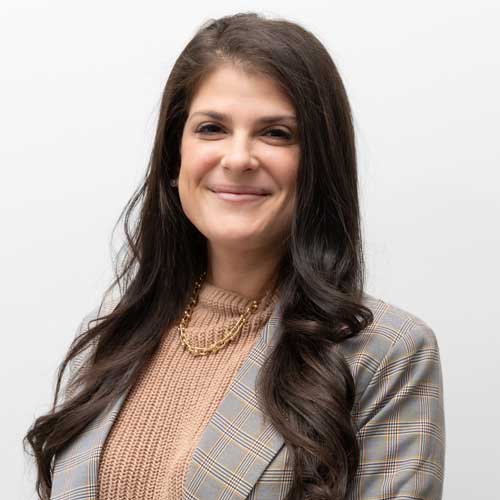
Alexis earned both a B.S. in Psychology and a B.S. in Family and Child Sciences from Florida State University and an M.A. in Marriage and Family Therapy from the University of San Diego. She holds licenses in Marriage and Family Therapy in Florida, Connecticut, and Massachusetts and is also a member of the American Association for Marriage and Family Therapy (AAMFT).
Alexis works with families, couples, children, and groups and also has a sub-specialty in addiction and recovery. She utilizes an integrated, systemic approach to counseling; empowering people to define what is not working for them in their lives and to discover the possibilities for making life work. In doing this, clients are guided towards identifying their strengths, accessing their resources, tapping into their potential for success, and taking action toward achieving their desired goals.
Alexis also has extensive experience in the administration of behavioral health organizations. She has developed, built, and supervised several facilities encompassing all levels of care while leading them through state licensing and The Joint Commission accreditation process.

