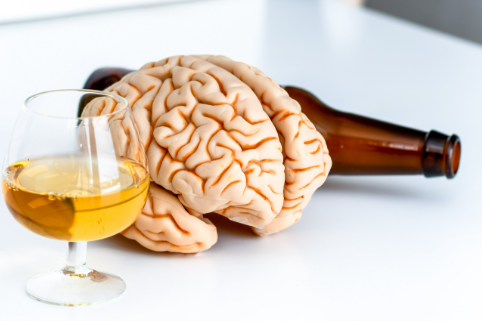
Alcohol is one of the most widely used substances in the world. While moderate drinking may be harmless, heavy or frequent use can cause long-term changes in brain function. Over time, it can affect emotions, decision-making, and overall health.
The brain is the body’s control centre. It regulates movement, mood, and memory. When alcohol enters the system, it disrupts communication between brain cells, changing behaviour and thinking patterns. The good news is that, with proper treatment and support, recovery and brain healing are possible.
The Brain and Alcohol: A Complex Relationship
Alcohol affects many parts of the brain, particularly areas responsible for judgment, coordination, and memory. It acts as a depressant on the central nervous system, slowing down brain activity and interfering with neurotransmitters, the brain’s chemical messengers.
Key areas impacted include:
- Cerebral Cortex: Controls decision-making. Alcohol lowers inhibitions and impairs reasoning.
- Cerebellum: Manages balance and coordination, leading to clumsiness after drinking.
- Limbic System: Regulates emotions and memory. Alcohol can cause mood swings and forgetfulness.
- Brainstem: Controls vital functions like breathing and heart rate. Heavy drinking can dangerously slow these down.
With repeated drinking, the brain adapts to alcohol’s presence. This adaptation increases tolerance and eventually leads to dependence.
How Alcohol Alters Brain Chemistry
Alcohol changes how key neurotransmitters work:
- Dopamine: Creates pleasure and reward. Alcohol temporarily raises dopamine levels, encouraging repeated use.
- GABA: Promotes calmness. Alcohol enhances GABA activity, causing relaxation.
- Glutamate: Increases energy and alertness. Alcohol suppresses it, slowing reactions.
- Serotonin: Regulates mood. Long-term alcohol use disrupts serotonin, contributing to anxiety or depression.
As these chemical systems change, the brain begins to rely on alcohol to feel normal. This dependence forms the basis of addiction, making professional alcohol treatment essential for recovery.
Short-Term Effects on the Brain
Common short-term effects include:
- Slower reaction time
- Reduced coordination
- Poor judgment and risky decisions
- Slurred speech or blurred vision
- Memory lapses
These effects fade once alcohol leaves the body but highlight how quickly it can alter brain activity.
Long-Term Effects of Alcohol Use
Heavy or prolonged drinking can cause more serious damage. Chronic alcohol use shrinks brain tissue, reduces blood flow, and impacts nutrition absorption.
Common long-term effects include:
- Ongoing memory loss and confusion
- Trouble concentrating or learning
- Increased anxiety or depression
- Persistent fatigue and poor sleep
- Risk of dementia or alcohol-related brain disorders
Although some damage may take months to heal, many brain functions improve with sustained abstinence and care.
Understanding Alcohol Addiction
Addiction develops when drinking turns from a habit into a physical and emotional need. It’s not about weak willpower; it’s a brain-based medical condition.
Common warning signs include:
- Needing more alcohol to feel the same effect
- Drinking alone or hiding alcohol use
- Ignoring work or family responsibilities
- Feeling sick, anxious, or shaky without drinking
Recognising these signs early allows timely alcohol treatment, which can prevent more serious health complications.
How Withdrawal Affects the Brain
When someone stops drinking after long-term use, the brain must re-adjust. This process, known as withdrawal, can cause symptoms such as:
- Anxiety and restlessness
- Tremors or sweating
- Nausea or vomiting
- Trouble sleeping or mood changes
In severe cases, seizures or hallucinations may occur. For this reason, supervised detox programs are often recommended to ensure safety and comfort during withdrawal.
The Role of Alcohol Treatment in Recovery
Professional treatment helps the brain and body recover from alcohol’s effects. Effective programs include:
- Medical Detox: Safely manages withdrawal.
- Counselling: Addresses emotional triggers and behaviour patterns.
- Medication: Reduces cravings and supports brain healing.
- Lifestyle Support: Focuses on nutrition, fitness, and mindfulness.
- Aftercare: Continues therapy and peer support to maintain sobriety.
With consistency, the brain can rewire itself through neuroplasticity, forming new healthy connections and habits.
Preventing Brain Damage Through Early Help
Early help can stop serious damage and support faster recovery.
Prevention tips:
- Set personal limits for alcohol use.
- Seek help if drinking becomes routine.
- Manage stress through healthy outlets like exercise or therapy.
Reaching out for help is an act of strength, not weakness. Protecting brain health begins with self-awareness and timely support.
Taking the First Step Toward Healing
Understanding how alcohol affects the brain is the first step to recovery. Treatment is not only about quitting alcohol but about restoring balance, rebuilding confidence, and regaining control.
If you or someone you care about is struggling, help is available.
At Connecticut Recovery, our evidence-based alcohol treatment programs help the brain heal, restore emotional balance, and support long-term sobriety. Reach out to us today to start your journey towards a healthy and alcohol-free life.
FAQs
-
- Can the brain heal after years of drinking?
Yes, many brain functions recover with ongoing abstinence and professional care, though healing time varies. - How long does recovery take?
Some improvements appear within weeks, while full recovery may take months depending on drinking history. - Why does alcohol make people feel relaxed?
Alcohol boosts GABA and dopamine activity, creating calm and pleasure, but this effect is short-lived. - Which therapy works best for addiction?
Cognitive-behavioural therapy (CBT), mindfulness programs, and group counselling are proven effective in supporting recovery.
- Can the brain heal after years of drinking?
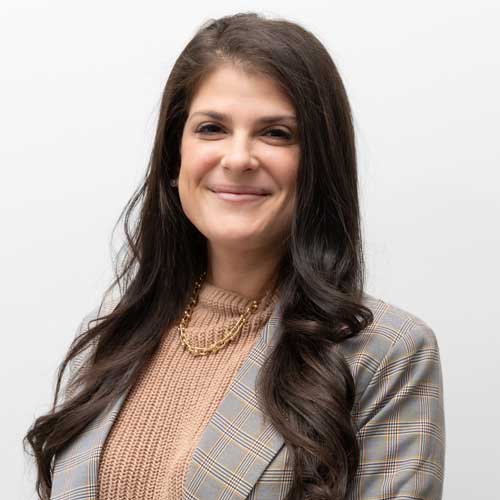
Alexis earned both a B.S. in Psychology and a B.S. in Family and Child Sciences from Florida State University and an M.A. in Marriage and Family Therapy from the University of San Diego. She holds licenses in Marriage and Family Therapy in Florida, Connecticut, and Massachusetts and is also a member of the American Association for Marriage and Family Therapy (AAMFT).
Alexis works with families, couples, children, and groups and also has a sub-specialty in addiction and recovery. She utilizes an integrated, systemic approach to counseling; empowering people to define what is not working for them in their lives and to discover the possibilities for making life work. In doing this, clients are guided towards identifying their strengths, accessing their resources, tapping into their potential for success, and taking action toward achieving their desired goals.
Alexis also has extensive experience in the administration of behavioral health organizations. She has developed, built, and supervised several facilities encompassing all levels of care while leading them through state licensing and The Joint Commission accreditation process.

