
Living with anxiety and depression can feel overwhelming, especially when daily responsibilities make it difficult to step away for intensive treatment. If you’re in Greenwich and struggling with these mental health challenges, you might be wondering whether outpatient treatment can truly make a difference or if it’s substantial enough to address what you’re experiencing.
The answer is encouraging: outpatient mental health programs offer highly effective, evidence-based treatment for anxiety and depression while allowing you to maintain your work, family, and personal commitments. Understanding how these programs work and who benefits most can help you make an informed decision about your care.
What Makes Outpatient Treatment Effective for Anxiety and Depression?
Outpatient treatment for anxiety and depression in Greenwich relies on proven, evidence-based therapies that address the root causes of your symptoms rather than just managing surface-level concerns.
Cognitive Behavioral Therapy (CBT)
This therapeutic approach helps you identify and change negative thought patterns that fuel anxiety and depression, providing practical tools for managing symptoms in real-world situations. CBT is considered one of the most effective anxiety therapies Greenwich CT providers use because it gives you actionable strategies you can apply immediately.
Dialectical Behavior Therapy (DBT)
Particularly effective for emotional regulation, DBT teaches mindfulness and coping skills that support sustainable recovery. This evidence-based approach helps you navigate intense emotions without becoming overwhelmed.
Holistic Approaches
Treating mind, body, and spirit together, holistic care addresses physical wellness, spiritual needs, and emotional health simultaneously for comprehensive healing. This integrated approach recognizes that true recovery extends beyond symptom management to encompass lifestyle change.
Individualized Treatment Plans
Because your situation is unique—your history, triggers, and circumstances differ from anyone else’s—personalized care ensures treatment targets your specific needs rather than following a one-size-fits-all protocol.
Who Benefits Most from Outpatient Anxiety and Depression Treatment?
Outpatient programs serve individuals across various situations and life circumstances. Those experiencing moderate anxiety or depression who can safely participate in treatment while living at home often find outpatient care ideal. People who have completed inpatient alcohol rehab and need continued mental health support benefit from the structured yet flexible nature of these programs.
Individuals balancing family responsibilities, work commitments, or educational obligations appreciate treatment options that respect their schedules. Those seeking dual diagnosis treatment where anxiety or depression co-occurs with substance use challenges receive integrated care that addresses both conditions simultaneously. Anyone who values privacy and prefers receiving care in a comfortable, dignified setting close to home finds outpatient treatment particularly appealing.
The flexibility of outpatient care, whether through an Intensive Outpatient Program or day treatment, allows you to apply therapeutic insights immediately to your daily life, reinforcing skills in real-time situations.
Why Flexibility Supports Sustainable Recovery
One significant advantage of outpatient treatment for anxiety and depression that Greenwich programs provide is how flexibility strengthens long-term outcomes.
Real-World Application
You practice coping strategies in actual triggering situations rather than simulated environments, building confidence and competence simultaneously. This immediate application helps solidify new skills and demonstrates their effectiveness.
Family Involvement
Outpatient programs allow family members to participate in your recovery journey through therapy sessions and educational programming, creating a supportive home environment essential for healing. Your loved ones learn how to encourage without enabling harmful patterns.
Community Connection
Maintaining your daily routine prevents the isolation that often worsens anxiety and depression, keeping you connected to positive relationships and meaningful activities. This connection provides a foundation for lasting wellness.
Gradual Transition
The structured support helps you build independence progressively, reducing the anxiety that sometimes accompanies abrupt treatment transitions. You develop confidence in your ability to manage challenges while still having professional guidance available.
Evidence-Based Results You Can Trust
Research consistently demonstrates outpatient treatment’s effectiveness for anxiety and depression when programs incorporate comprehensive, evidence-based approaches tailored to individual needs. At Connecticut Center for Recovery, our compassionate therapist team combines medical credibility with genuine empathy, ensuring you receive professional care that honors your dignity.
Our holistic philosophy recognizes that untreated mental health issues affect your life profoundly, relationships, career, physical health, and overall well-being, and you suffer when underlying causes go unaddressed. By treating these root causes with proven therapies that address mind, body, and spirit, sustainable recovery becomes achievable.
The effectiveness of depression treatment outpatient programs depends on commitment from both the client and the treatment team. When you engage fully with evidence-based therapies in a supportive, non-judgmental environment, meaningful change occurs.
Take the Next Step Toward Relief and Healing
You don’t have to continue struggling alone with anxiety and depression. Effective outpatient treatment provides the professional support, evidence-based therapies, and personalized care you need while respecting your commitments and dignity.
Recovery is possible, and it begins with reaching out. Our experienced, compassionate team understands the courage it takes to seek help, and we’re here to support you every step of the way.
Contact Connecticut Center for Recovery today to learn more about how our mental health treatment programs can support your journey toward lasting relief, meaningful recovery, and a life where anxiety and depression no longer control your story.
Sources:
[1] https://www.nimh.nih.gov/health/topics/psychotherapies
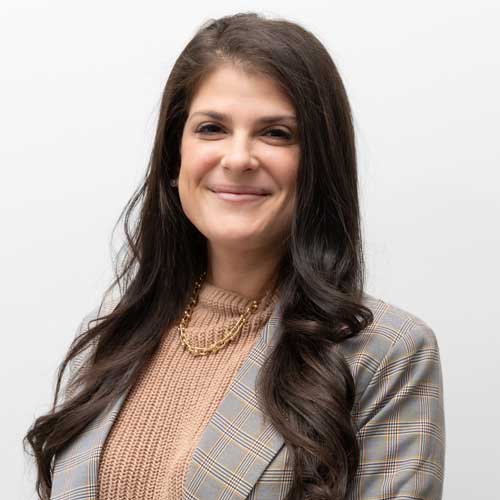
Alexis earned both a B.S. in Psychology and a B.S. in Family and Child Sciences from Florida State University and an M.A. in Marriage and Family Therapy from the University of San Diego. She holds licenses in Marriage and Family Therapy in Florida, Connecticut, and Massachusetts and is also a member of the American Association for Marriage and Family Therapy (AAMFT).
Alexis works with families, couples, children, and groups and also has a sub-specialty in addiction and recovery. She utilizes an integrated, systemic approach to counseling; empowering people to define what is not working for them in their lives and to discover the possibilities for making life work. In doing this, clients are guided towards identifying their strengths, accessing their resources, tapping into their potential for success, and taking action toward achieving their desired goals.
Alexis also has extensive experience in the administration of behavioral health organizations. She has developed, built, and supervised several facilities encompassing all levels of care while leading them through state licensing and The Joint Commission accreditation process.

